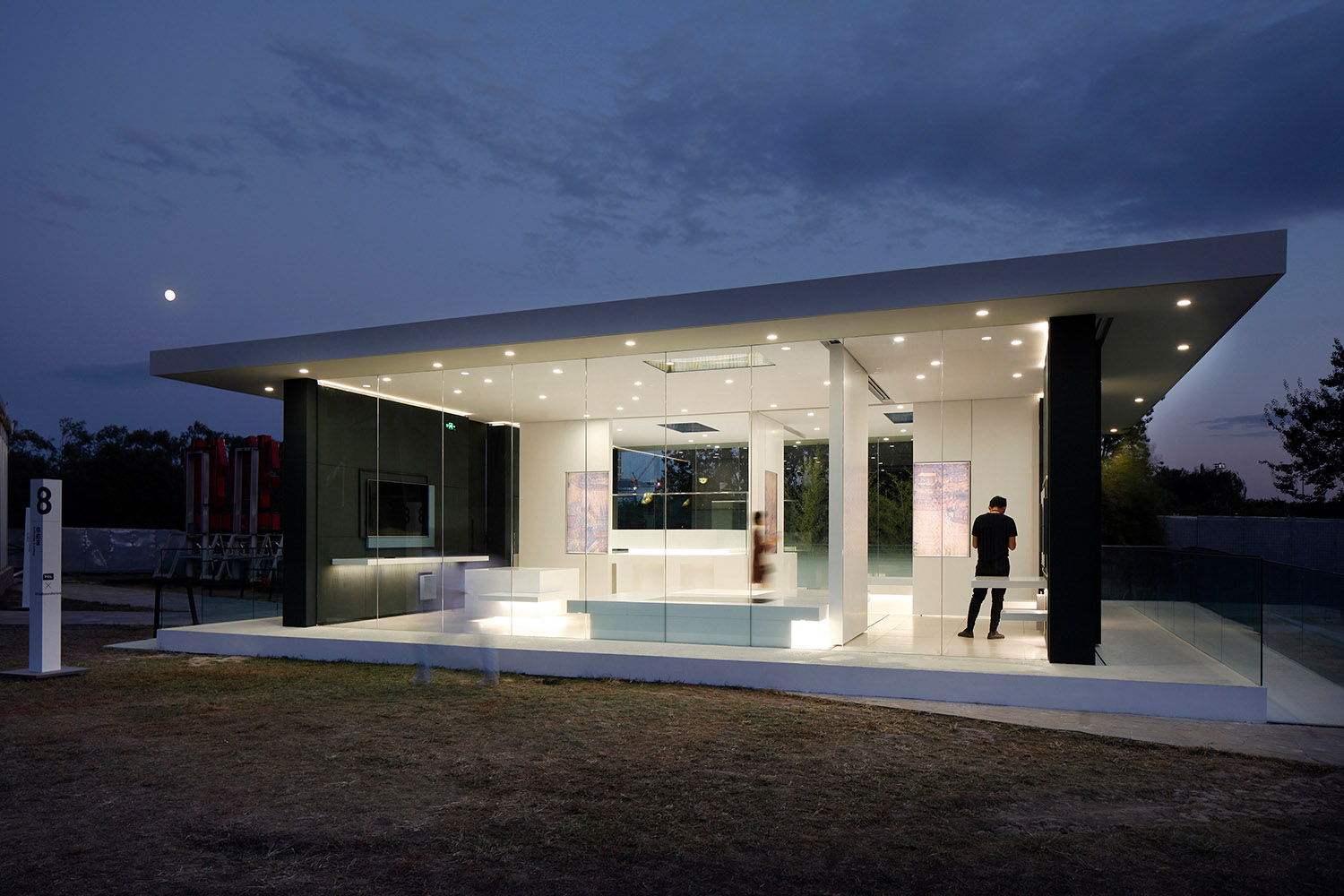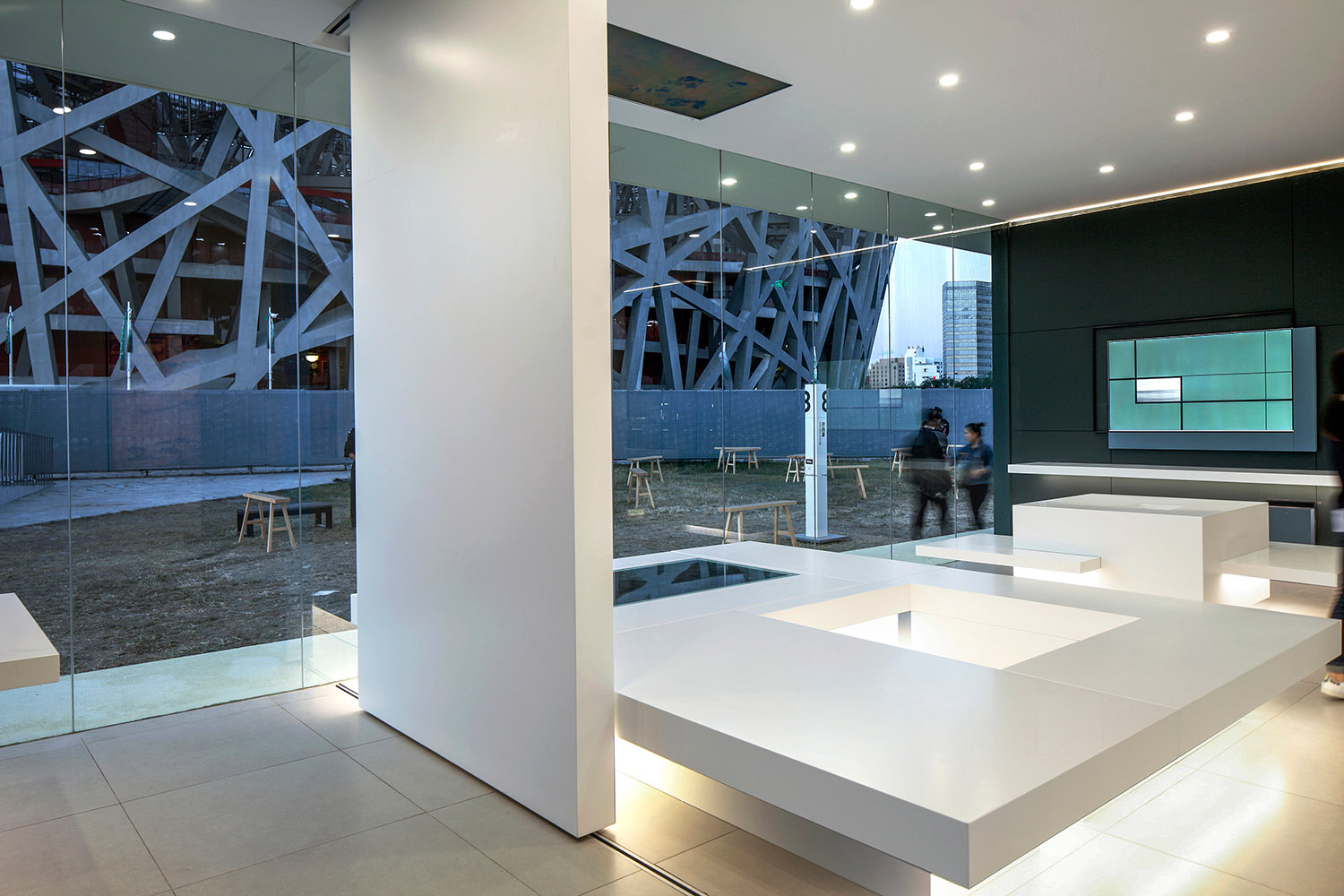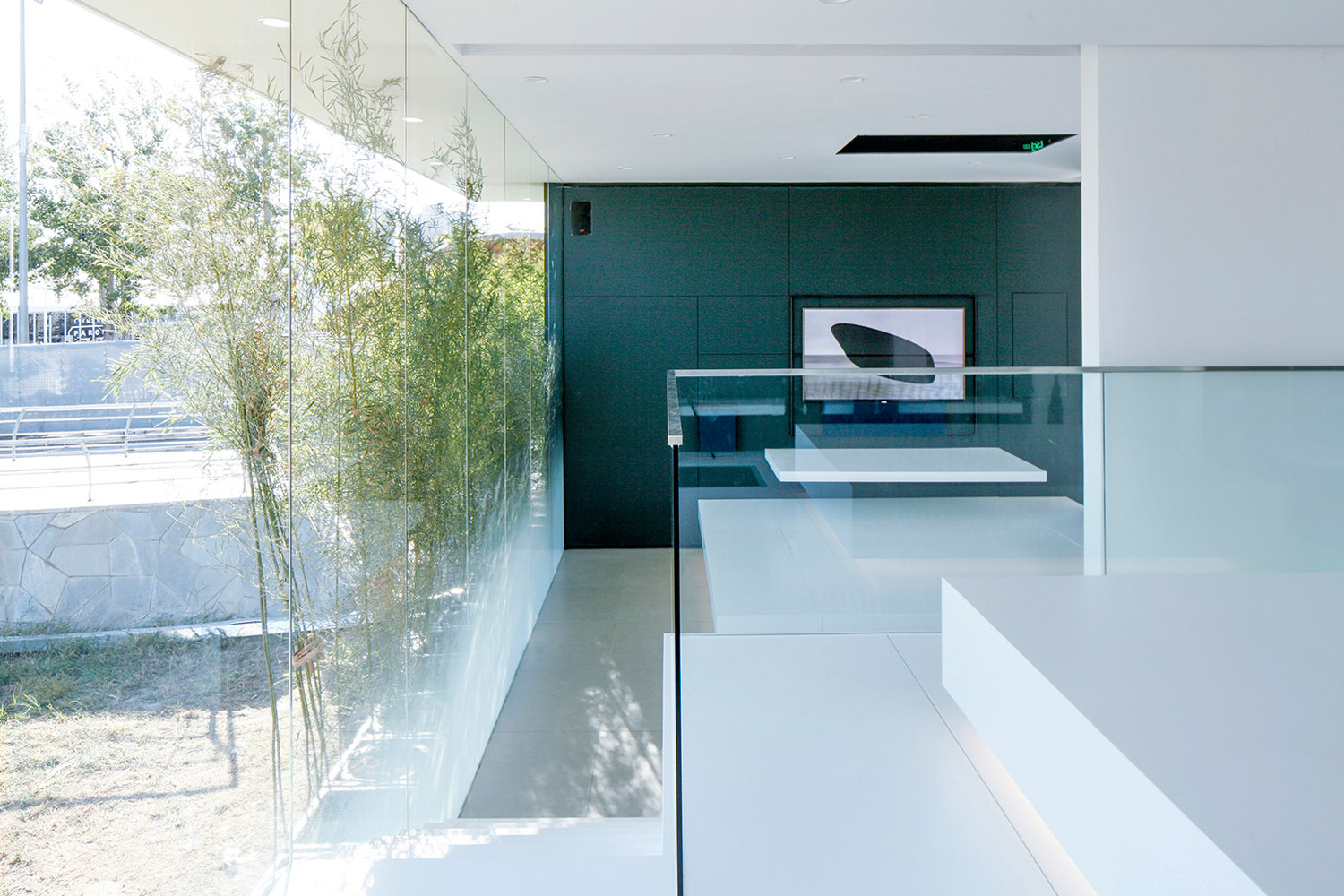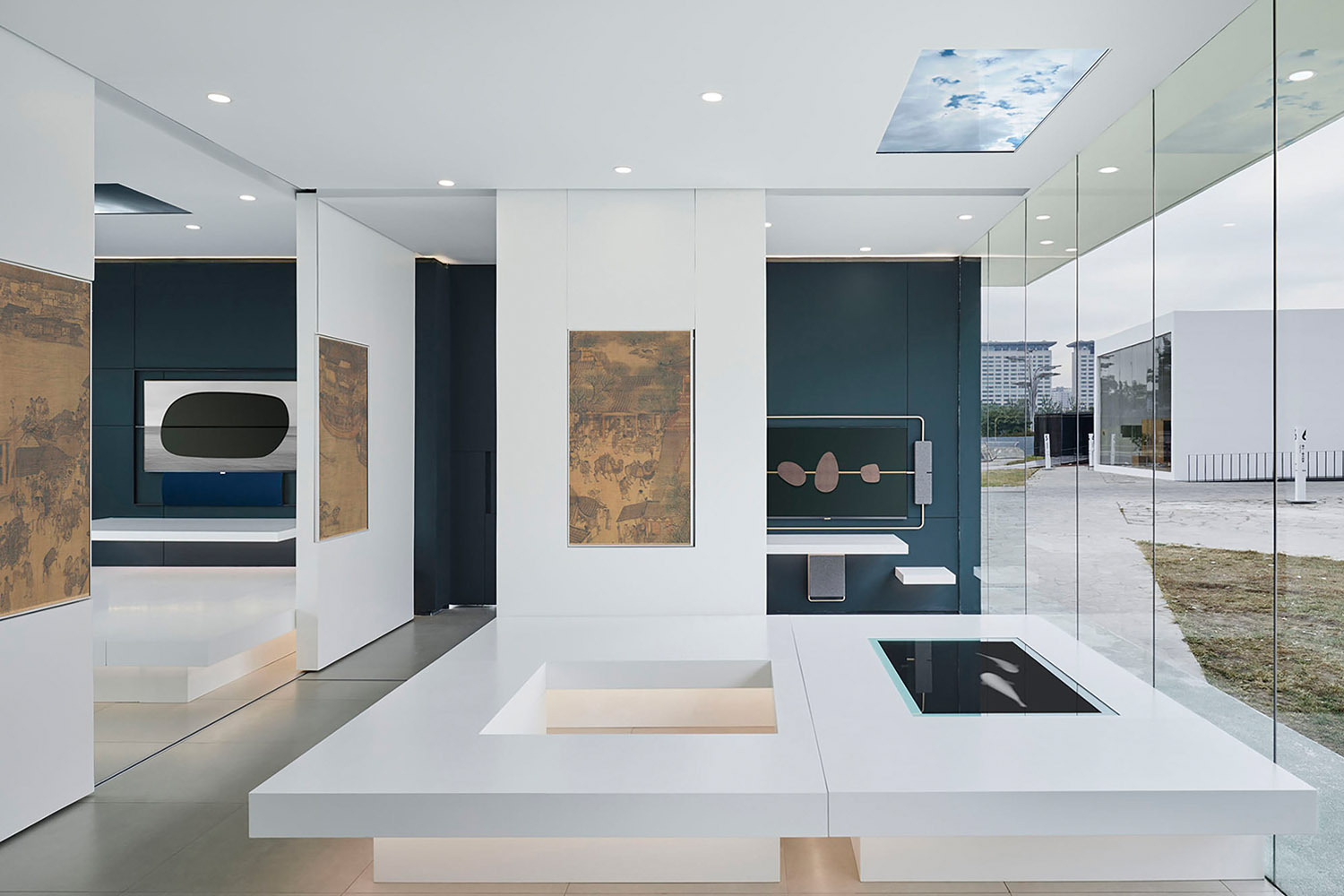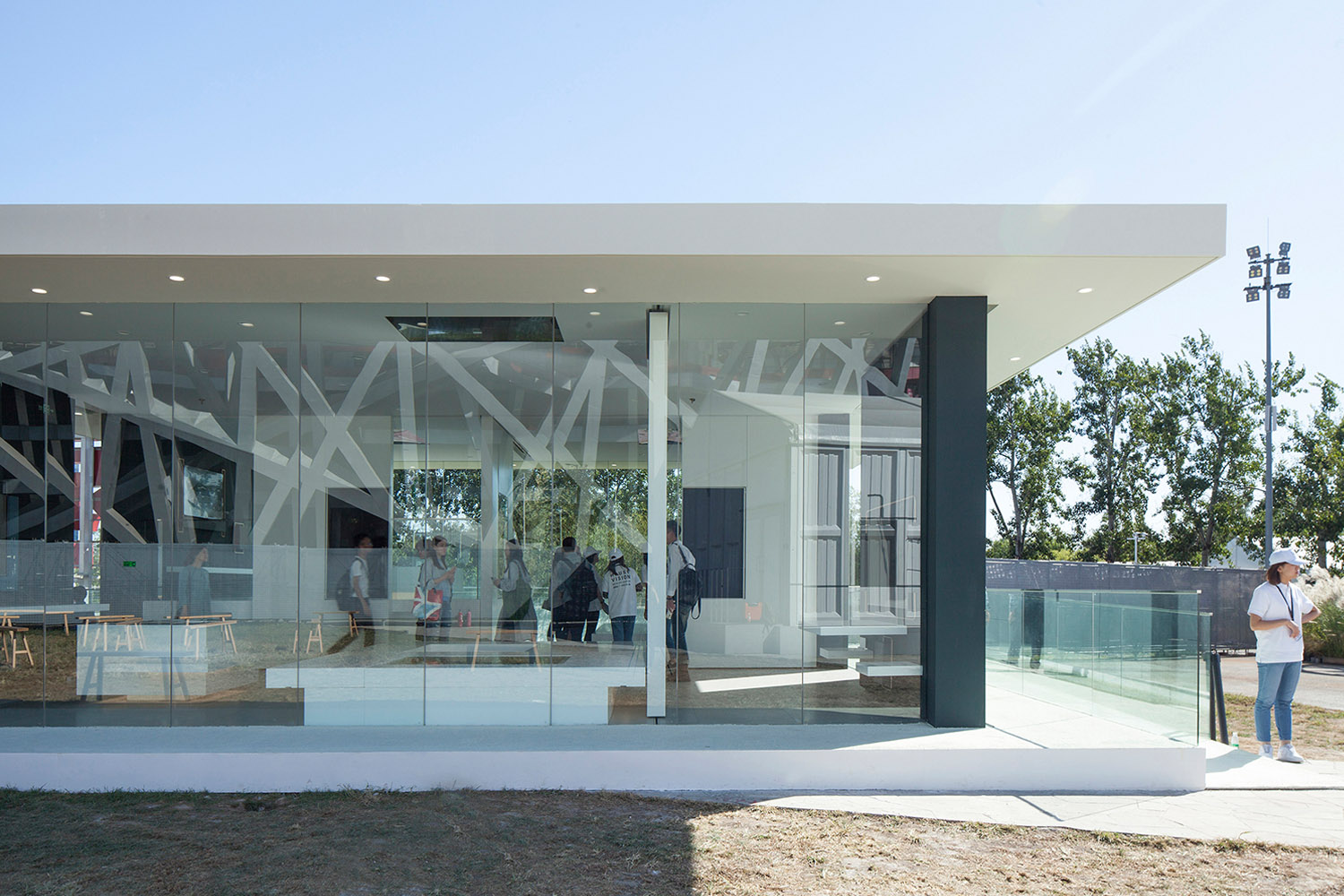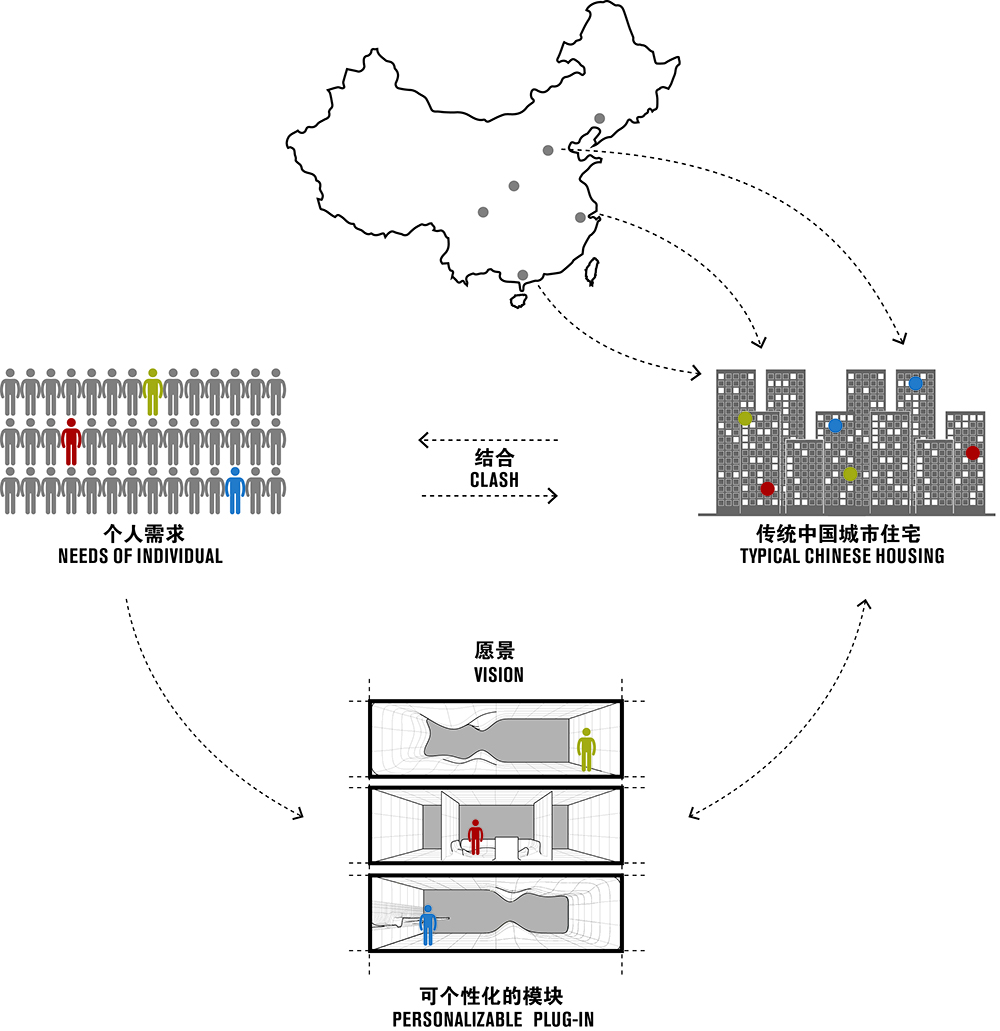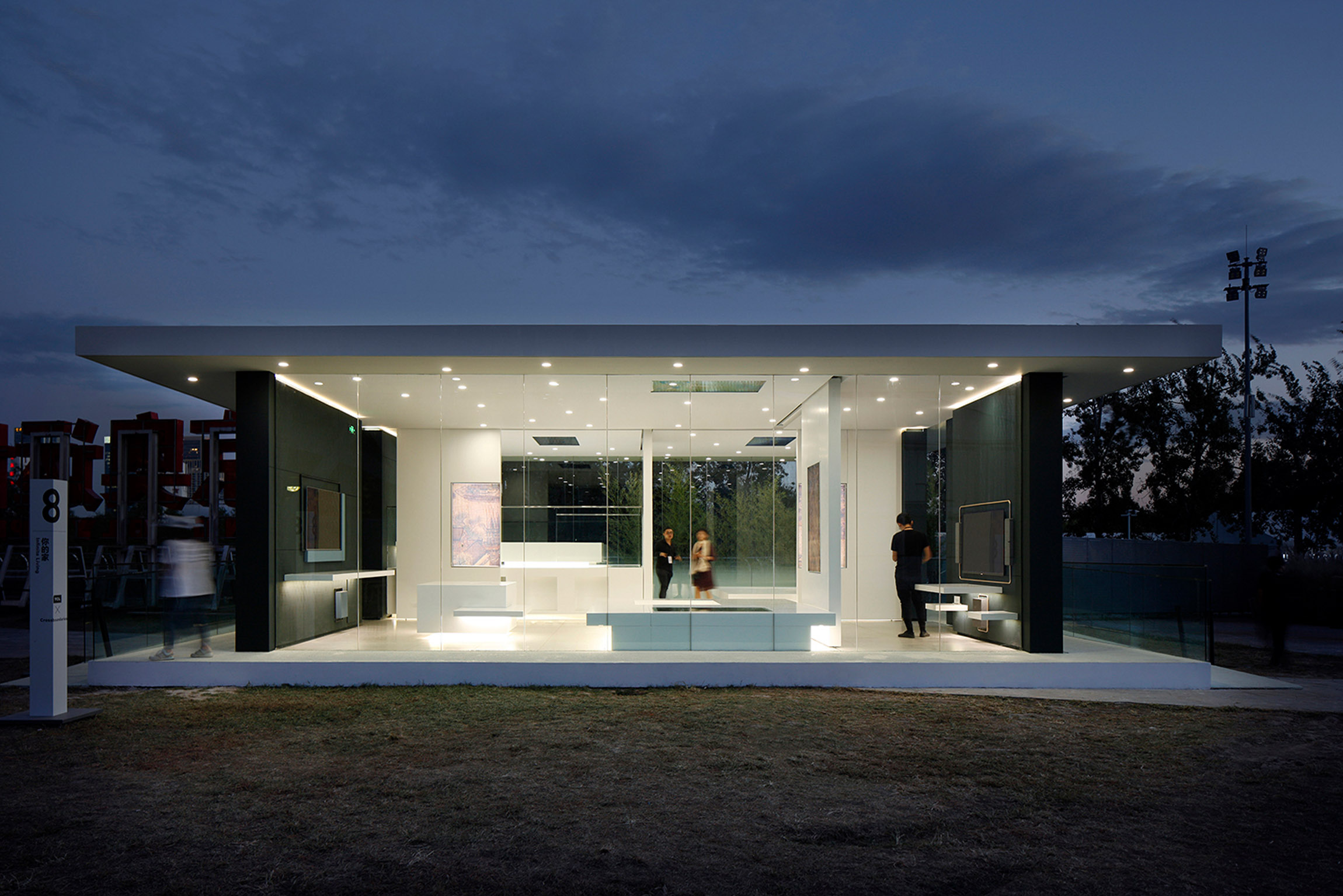
Crossboundaries imagines a more responsive, changeable home – one that taps into future technologies to allow the residents to infinitely shape their space. Infinite Living is a full-scale housing prototype – an experimental, adaptive living environment and the culmination of a years-long collaboration with HOUSE VISION, the Pan-Asian platform of multidisciplinary research and development initiated and curated by designer KENYA HARA in Japan since 2013. Sponsored by TCL, Infinite Living uses the television as a window to explore new interactions in virtuality.
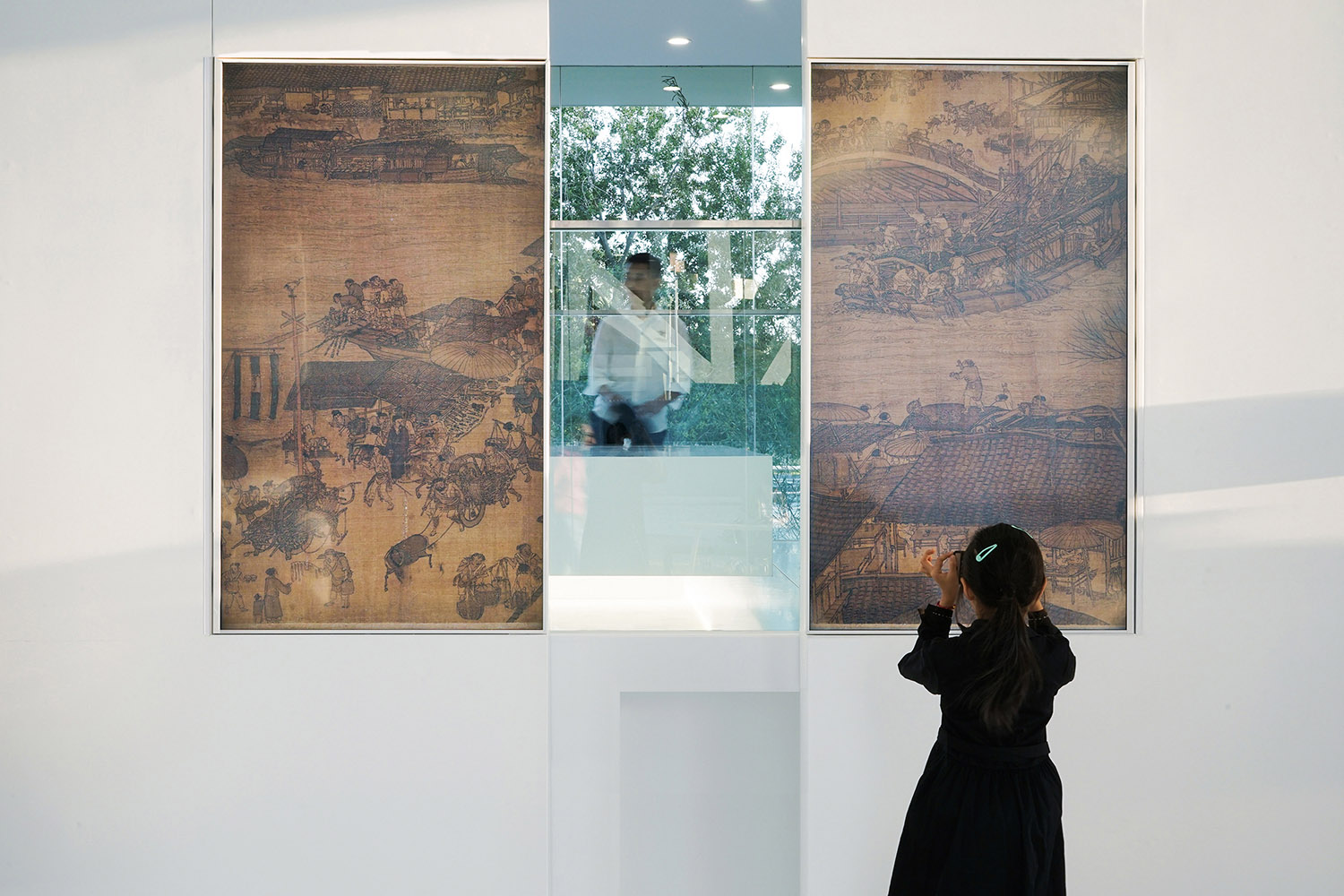
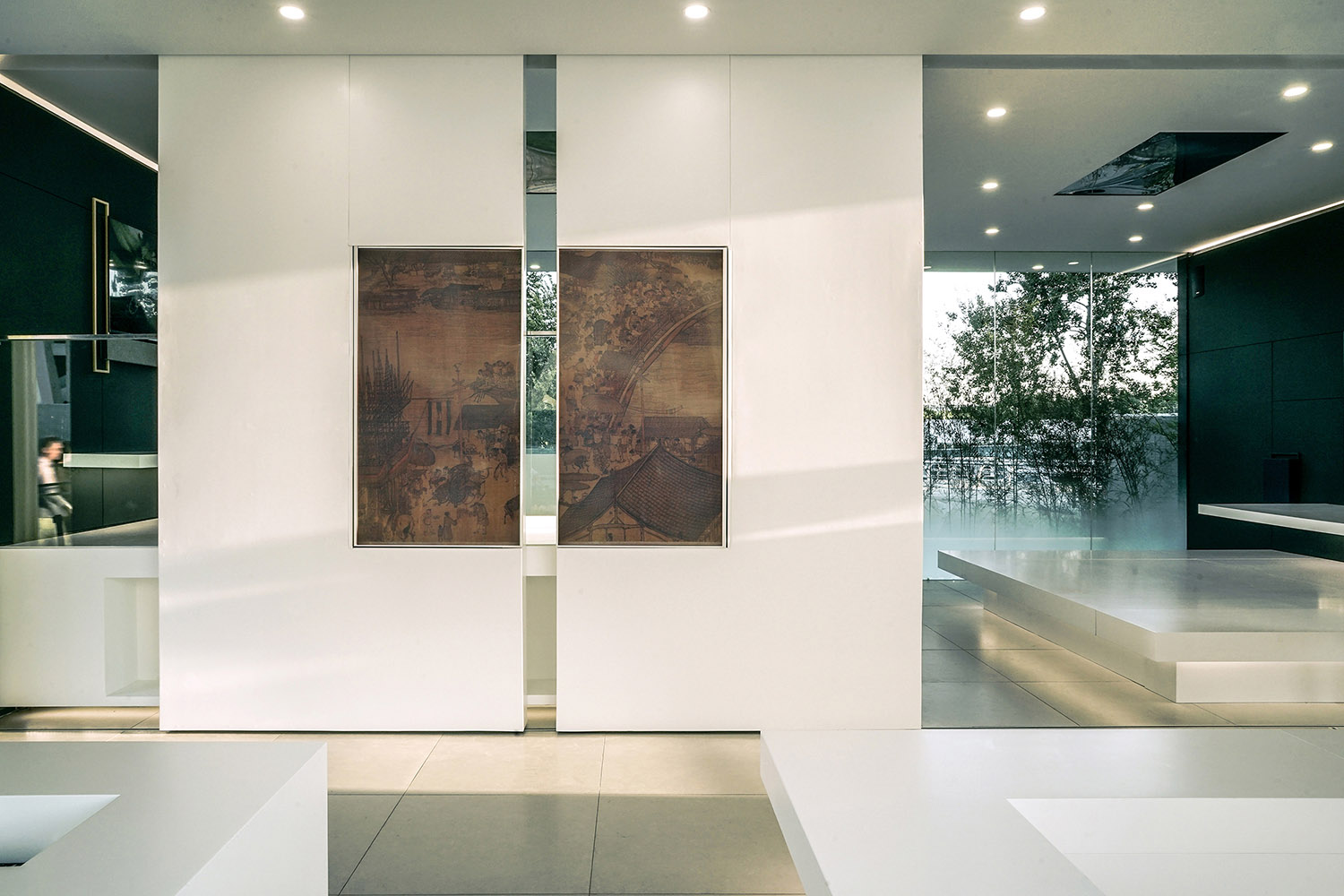
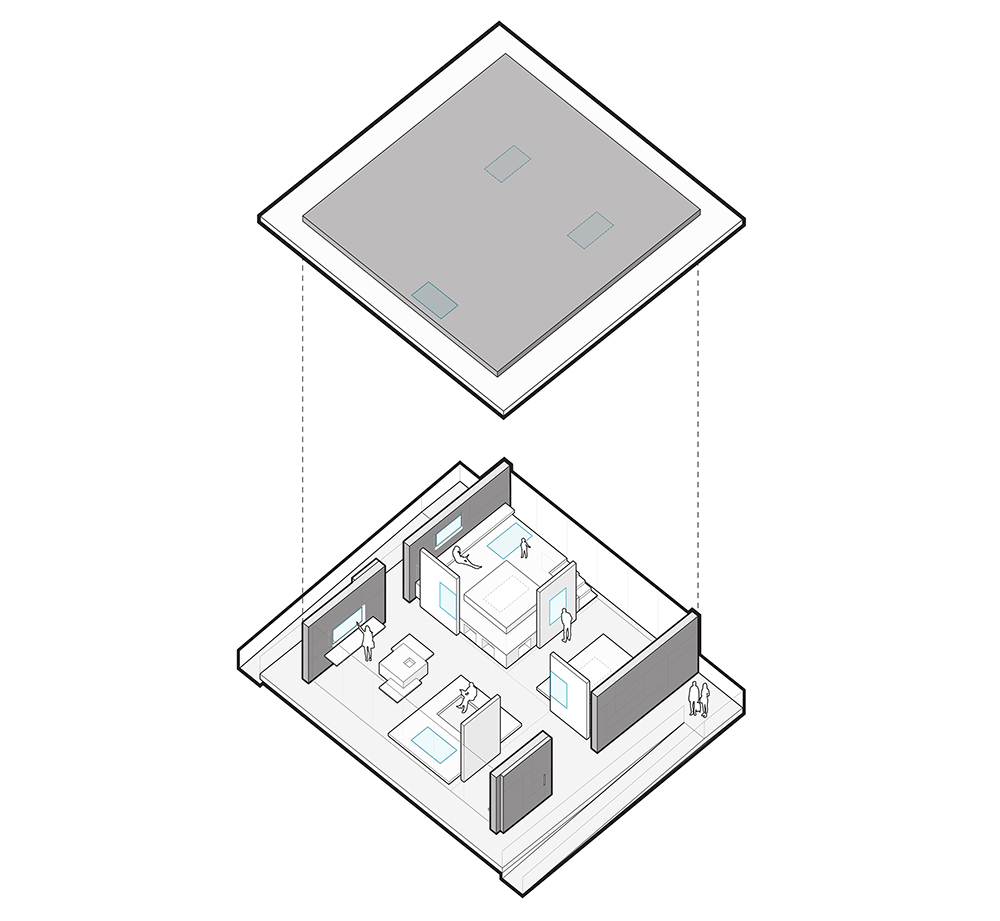
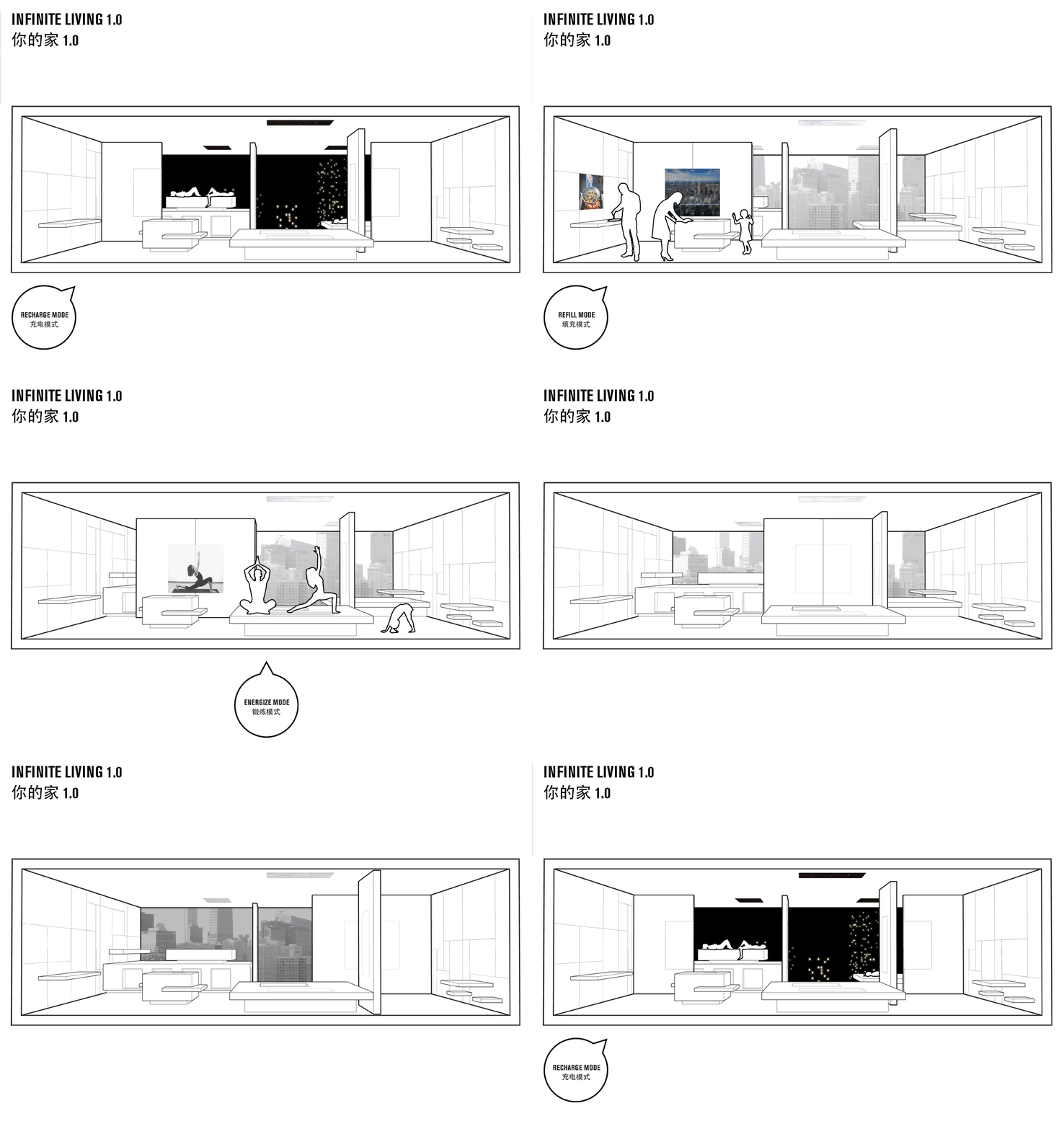
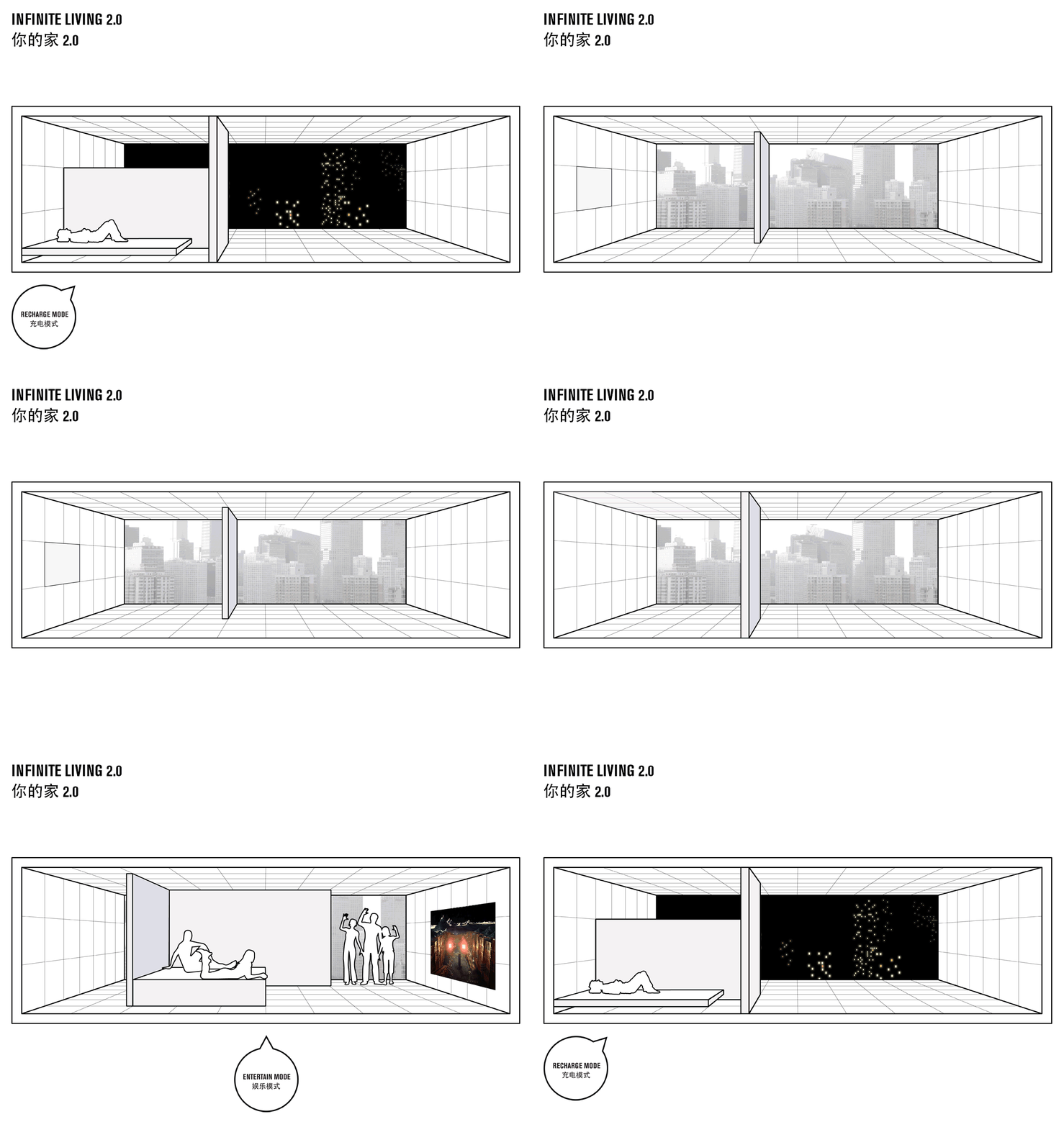
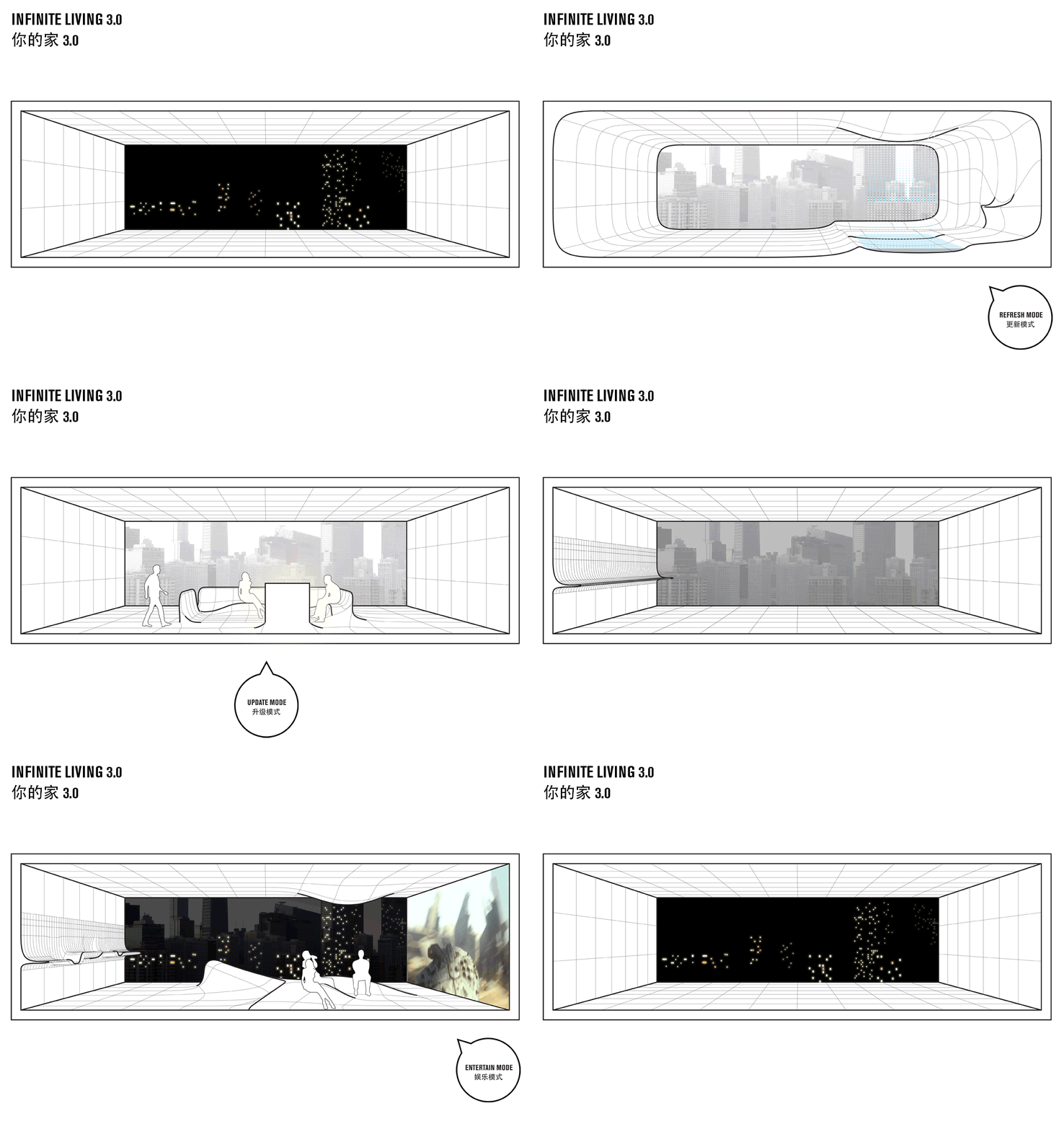
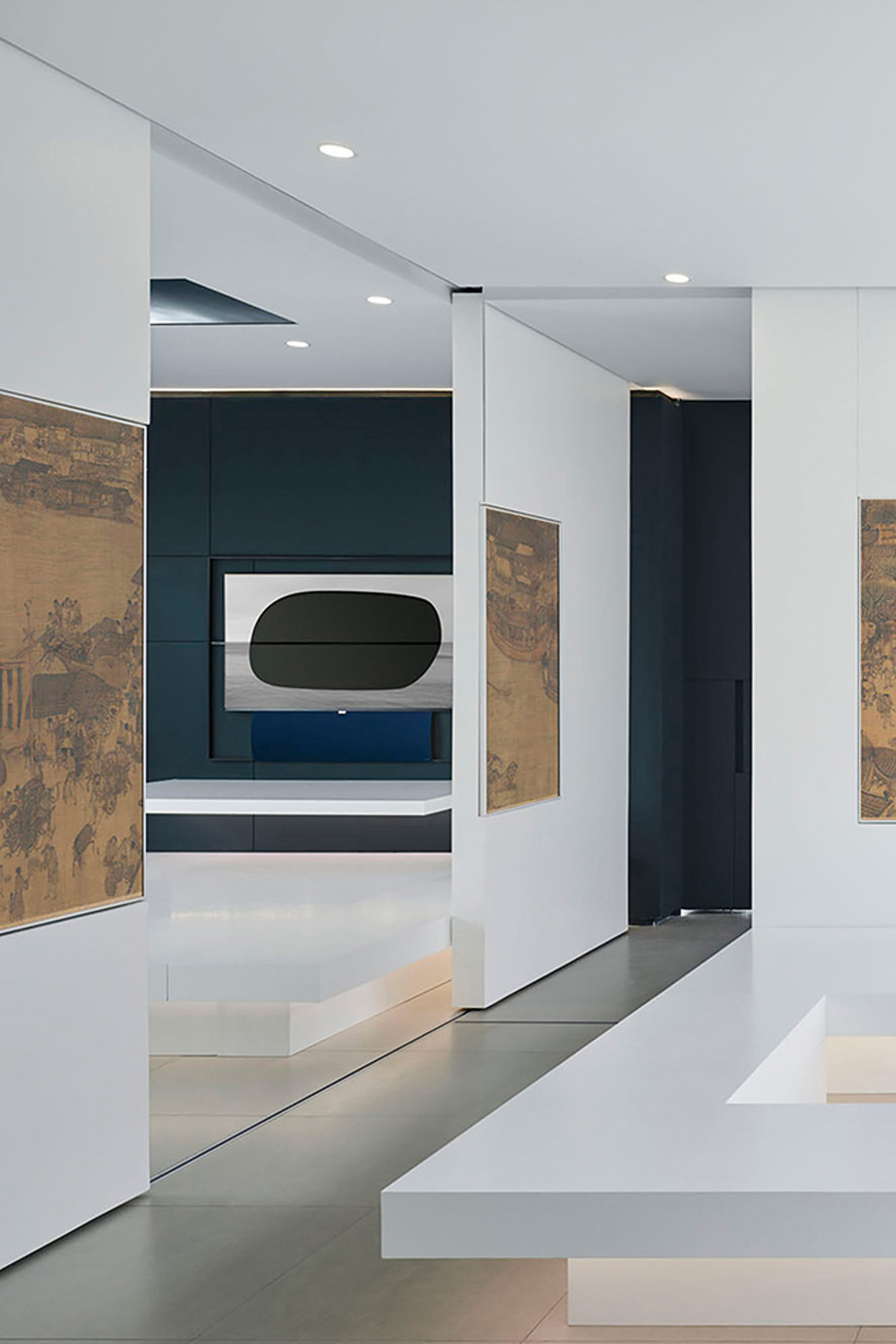
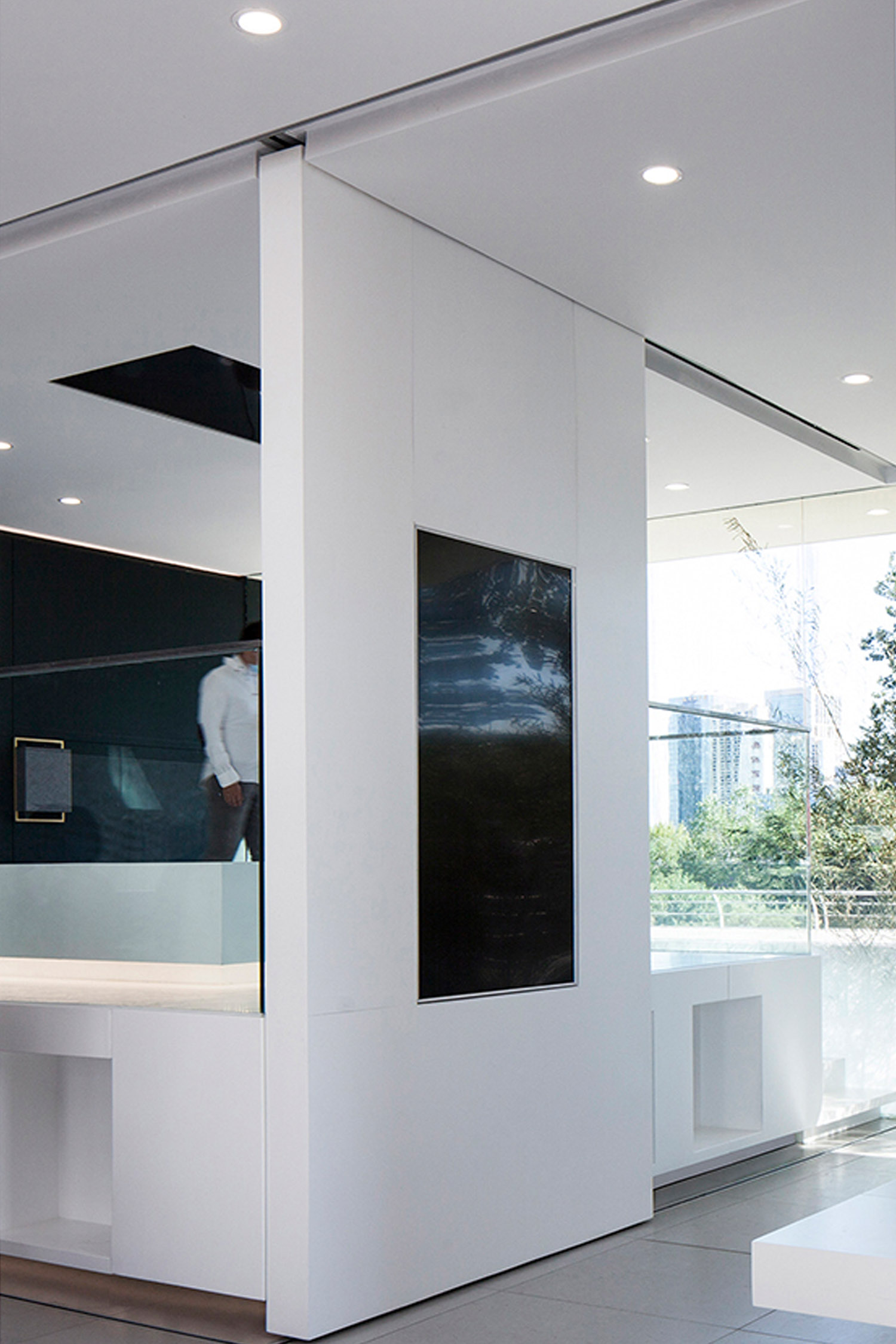
As a visual portal, television can transcend the monitor, create infinitely many spaces within and beyond itself, respond to everyday needs, and break through the increasingly blurred line between the virtual and the actual. Like a kaleidoscope, the pavilion envisions the television not as a singular gathering point, but as something that can put the human at the center of the home. Each television can become an interface, expanding all the functions of the modern mobile device and integrating them with the spatial dimension of everyday life. The flexible architecture of Infinite Living contrasts the once-rigid dividing lines of the contemporary house, identifying key activities of the family (sleeping, cooking and eating, grooming, working and learning, relaxing, exercising, celebrating) and concentrating them into zones: recharge, refill, refresh, update, standby, energize and entertain. Interior partitions slide to modulate the house’s volume and merge its activities with infinitely many combinations. The pavilion extrapolates the planar nature of the televisions and imagines a future in which every surface of the house, horizontal and vertical, can be customized – both digitally along its surface and spatially within the house’s volume.
New technologies are disrupting traditional business models and in turn, many building typologies are becoming obsolete. A plug-in living system enables poorly filled office buildings and other misused urban spaces to become fully livable, comfortable homes. Further, with the increased flexibility in one’s own apartment comes more efficiency and greater comfort even in a reduced amount of area. Already, the developing appreciation of shared working, cooking, and social spaces is indicative of a larger shift in mindset across the urban sphere. Architecture can tap into this rise of the sharing economy, and employ emerging technologies to free itself of obsolescence – continually adapting spaces for uses new and old.